About RASI
Resilience and Sustainable Initiatives (RASI) is a women and youth-led National Non-Government, non-profit and non-partisan humanitarian organization founded in 2021.

To foster economic and social empowerment, resilience and sustainable development through implementation of innovative programs and initiatives. We work collaboratively with communities, local partners, and other stakeholders to address the unique challenges faced by women and vulnerable groups, while advocating for children's rights.
To develop a Gender-balanced society where women and vulnerable communities are empowered, children's rights are protected, and sustainable development is achieved, for a stronger and more resilient society.
Our Story
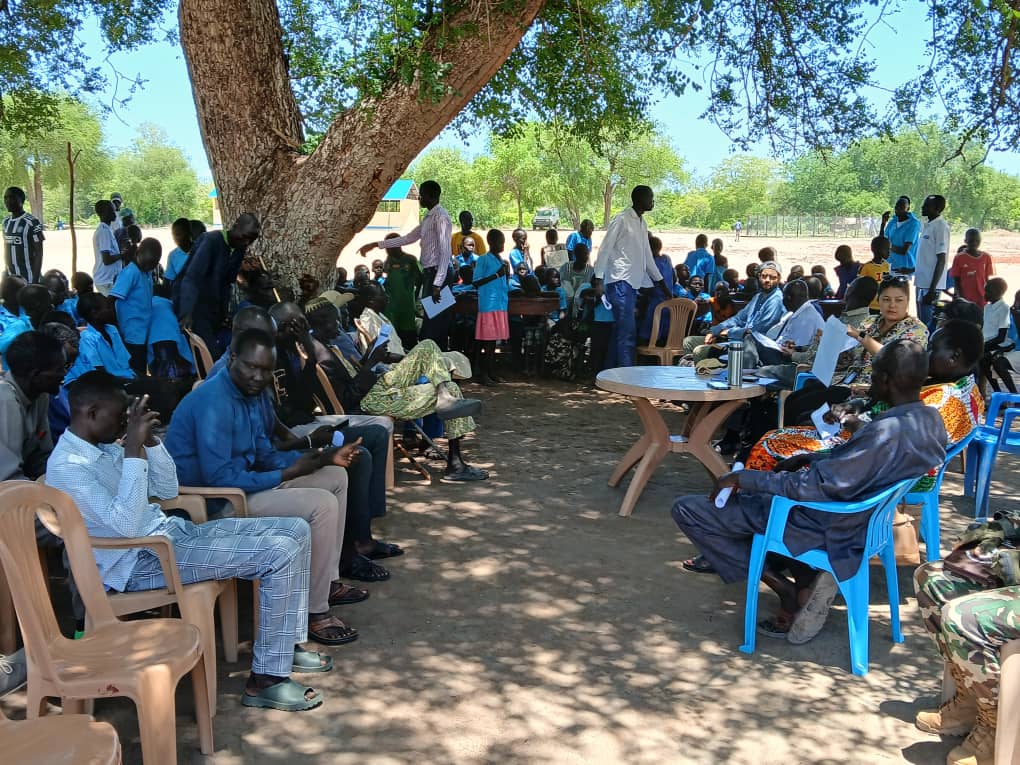
RASI was founded in 2021 with the motive and commitment to empower women, vulnerable communities, crisis & conflict afflicted populations and promoting children's rights in South Sudan.
RASI recognizes the unique challenges faced by these communities and is committed to promoting their well-being, while contributing to the achievement of Sustainable Development Goals through sustainable initiatives.
Our work aims at creating lasting positive social-economic change and resilience in the face of crisis, building stronger communities across South Sudan.
Our Strategic Partners
Collaborating with government institutions and international organizations for maximum impact

Ministry of General Education
Republic of South Sudan

Ministry of Agriculture
Food Security for All

UNMISS
United Nations Mission in South Sudan
SDGs We Advance
Our work directly contributes to achieving multiple Sustainable Development Goals
Our Impact Areas
Reintegration of Returnees
Displaced families from Duony and Jongjak have returned—reducing land pressure in camps and contributing to the peace process.
Mindset Change Around Gender
Girls now learn beside boys. Female MPs serve as role models for leadership. Gender roles are shifting in homes and in government.
Community Ownership of Peace
Local committees now resolve disputes without external intervention. Schools serve as civic spaces for accountability and mediation.
Economic Stabilization
Livelihood training reduces reliance on aid, raiding, or conflict-related economies.
More Inclusive Governance
Women in parliament now have the space and tools to push for equity, justice, and reform.
Civic & Legal Awareness
Students are learning rights, roles, and civic responsibility—building the next generation of peaceful citizens.